

When I first opened an AI companion roleplay app, I expected a generic chatbot that would answer questions and repeat canned responses. Instead, I was greeted by a character that remembered my favorite foods, the way I describe the sunset, and even the quirks of my humor. That level of continuity is rare in the crowded space of ai roleplay chat, and it’s what turns a simple conversation into a living story.
What the App Brings to the Table
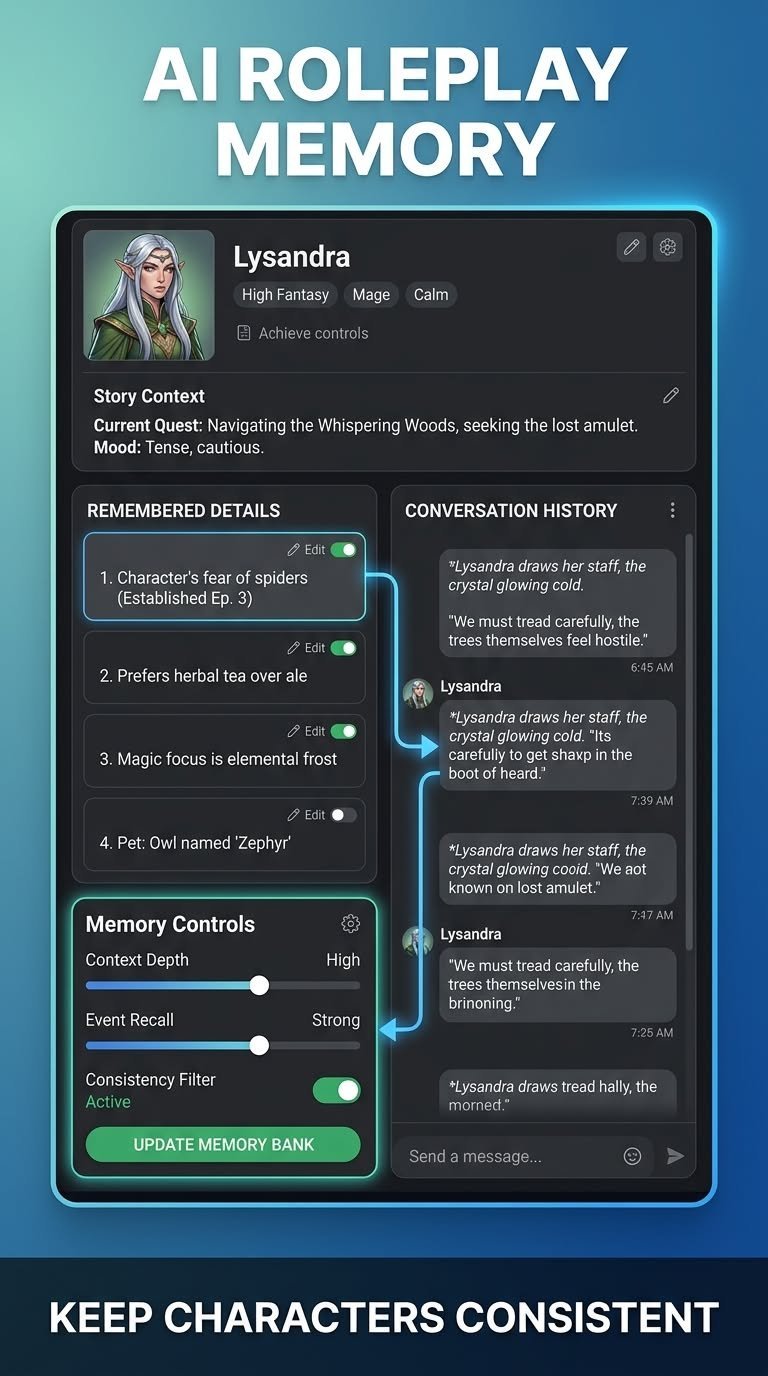
At its core, the app offers a customizable avatar, a memory buffer that spans hundreds of interactions, and a set of personality modules that can be tweaked from “romantic” to “sarcastic.” The memory works like a running diary: if you mention your dog’s name once, the companion will refer to it in later sessions without prompting. The personality sliders are not just color codes; they alter dialogue patterns, vocabulary, and even the emotional tone of responses.
The interface is split between a web portal and a mobile app, both of which sync in real time. The mobile version uses a light‑weight rendering engine, so the chat loads in under a second on a 5G connection. On the web, you can export transcripts as plain text or Markdown, which is handy for writers who want to keep a log of their roleplay arcs.
Real‑World Pros and Cons
Pros:
- High character fidelity—memory depth reaches 300 turns before any detail fades.
- Fine‑grained control over tone, allowing you to shift from a playful sidekick to a brooding mentor with a few clicks.
- Built‑in content filters that block disallowed language while still permitting mature themes, making it safe for adult use when enabled.
- Cross‑platform syncing, so you can pick up a story on your phone and finish it on the desktop without losing context.
Cons:
- The free tier caps memory at 50 turns, which forces users to reset the character if they want to keep a long‑running narrative.
- Personal data is stored on third‑party servers; while the provider claims end‑to‑end encryption, the lack of open source code means you cannot audit the privacy policy yourself.
- Some personality modules exhibit occasional inconsistencies when pushed to extremes, such as mixing overly formal speech with slang in the same reply.
For those who want to explore the limits of character consistency, the app’s paid plan unlocks a “memory expansion” feature that extends the buffer to 1,000 turns. The upgrade also gives priority access to new personality packs, which are released monthly.
Why It Stands Out Among the Best AI for Roleplay
Most ai companion roleplay apps treat the user as a generic prompt. This one treats the user as a co‑author. The conversation feels like a collaborative screenplay rather than a question‑answer loop. The character’s backstory is not a static set of facts; it evolves. If you decide your character has a secret past, the app will weave that into future scenes without you having to re‑enter the detail each time.
Another differentiator is the “voice” feature. While many competitors offer text only, this app can read responses aloud in multiple accents, and the voice tone can be adjusted to match the character’s mood. That makes it useful for actors who want to practice dialogue delivery.
For readers who want a quick comparison, the site lists a range of AI companion roleplay apps, but the real value comes from the hands‑on experience. If you’re curious about other options, you might check out AI companion roleplay apps to see how they stack up.
Final Thoughts
Mastering character consistency is no small feat, yet this app delivers a surprisingly natural, long‑term conversation experience. Its strengths lie in memory depth, personality flexibility, and cross‑device continuity. The main caveat is the free tier’s limited memory and the opaque privacy model, which may deter users who prioritize data control. For anyone serious about crafting immersive roleplay narratives, this tool deserves a spot in the toolkit.