

Dragon Tiger Tie Bet sits in a small corner of the live table game world, and it rewards a particular kind of patience rather than the usual chase for frequent small wins. I have spent years building design strategy tools and AI products that help independent professionals control their research, knowledge and digital work, so I tend to judge any betting mechanic by how clearly it signals its own risk and how little it asks you to guess. That lens matters here, because a tie outcome is rare, the payout looks tempting, and the house edge is doing the quiet work in the background. For an Australian reader weighing up a session on a Tuesday arvo, the question is not whether the bet exists but whether it fits the way you actually want to play.
How the Tie Outcome Works on the Table
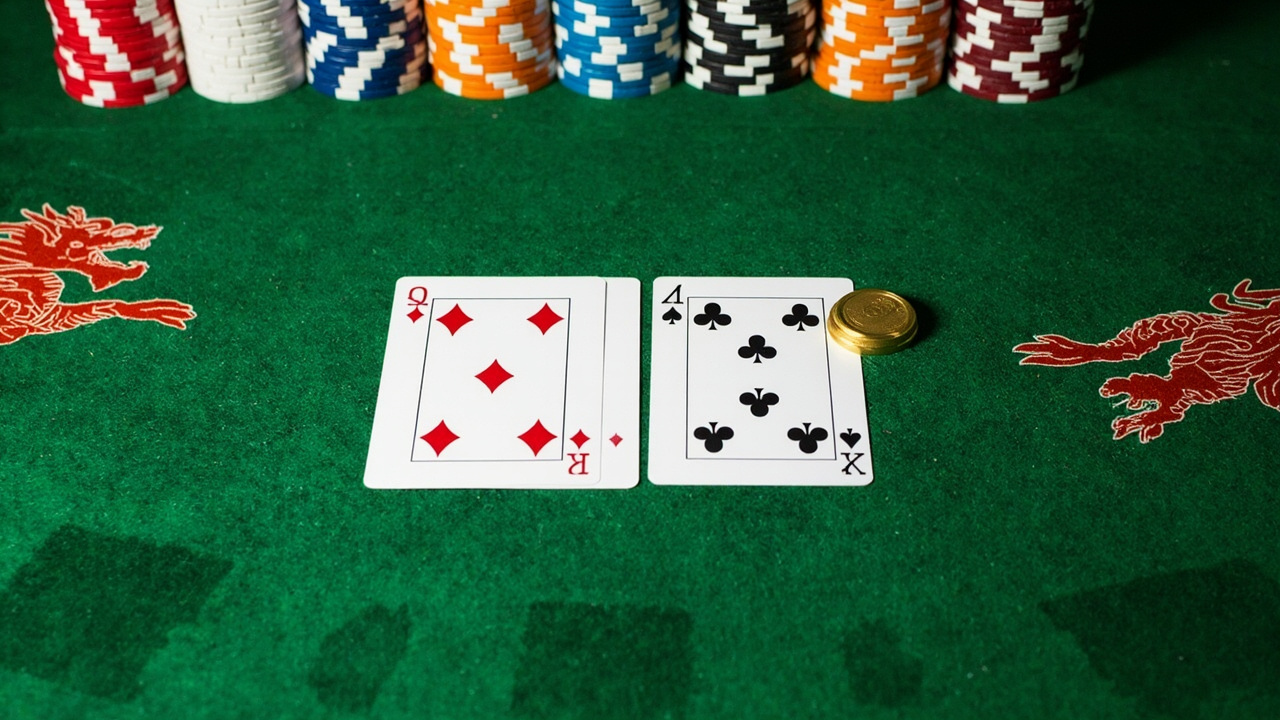
The deal itself is straightforward: one card goes to the Dragon, one to the Tiger, and if the two values match exactly you hit a tie. Suits do not matter for the outcome, and the ranking runs from Ace low up to King high, with a natural tie only when the ranks are identical. The payout for a winning tie bet is usually set at 8 to 1, which is the figure that catches the eye, but the frequency of those matches is low enough that the expected return sits well below the main Dragon or Tiger wagers. I have seen plenty of dashboards that hide the real cost of a feature behind a bright button, and this bet works the same way if you skim the surface and ignore the maths.
A useful way to think about the edge is to line it up against a familiar table benchmark. European roulette carries a house edge of about 2.7%, and that single zero is the whole story there. A Dragon Tiger Tie Bet does not carry a fixed published edge in the same neat way, because the exact probability shifts slightly with the number of decks in the shoe, but the 8 to 1 payout is calibrated so that the return sits meaningfully higher than that roulette figure. The point for a player is not to memorise a percentage but to recognise that the tie is a lower-frequency, higher-payout line that should be treated as a deliberate side choice rather than a default.
| Bet line | Typical payout | Outcome frequency | What it means for your session |
|---|---|---|---|
| Dragon | 1 to 1 | Roughly even split | Steady line, lower swing |
| Tiger | 1 to 1 | Roughly even split | Same structure, different side |
| Tie | 8 to 1 | Uncommon match | Rare win, larger swing |
That table is not a promise of any result, just a way to see the shape of the three lines side by side before you put money on any of them.
Deck count and the shoe
The number of decks in play changes how often ties appear, and it is worth checking the table rules before you sit down. A single deck produces a slightly different tie probability than a six or eight deck shoe, and the live dealer platform should state the deck count in the table information panel. I treat that kind of missing detail the same way I treat an AI research tool that does not tell you where its data comes from: if the source is vague, the output is harder to trust. For a tie bet, the practical takeaway is that the shoe size is part of the bet’s real character, not a footnote.
Payout structure and the 8 to 1 line
The 8 to 1 payout is the number that makes the tie bet feel different from the even-money Dragon and Tiger lines, and it does deliver a larger win when the cards match. The trade-off is that the match is uncommon, so a session built around waiting for ties can mean long stretches without a hit. That is not a flaw in the bet, it is just the shape of it. If you are using the tie as an occasional side wager rather than the main event, the payout can feel like a reasonable reward for a small, planned stake.
Where the house edge sits
You will not find a single official edge figure attached to every table, because the exact return depends on the deck count and the specific payout convention being used. What is consistent is that the tie line is structured to return less over time than the main bets, even though the per-win payout looks generous. I have watched independent professionals burn hours on tools that looked efficient on the surface but quietly cost more in rework than they saved, and the same caution applies here. The edge is doing its work whether you notice it or not, so the bet belongs in a plan, not in a guess.
Who This Bet Suits and Who It Does Not
A Dragon Tiger Tie Bet tends to suit players who are comfortable with infrequent wins and who would rather place a small, defined side stake than chase the tie every hand. It is a better fit for someone who wants a little extra texture on a session they already understand, not for someone who expects the 8 to 1 payout to show up on a schedule. I have built workflow tools for people who need to control their own research and digital work without constant noise, and the same principle shows up here: a mechanic is only useful when you know what it asks of you and you choose it on purpose.
The bet is less suited to players who want frequent feedback from every round, because the tie outcome does not arrive often enough to keep a fast-paced session feeling active. It is also not the place to start if you are still learning the basic flow of the Dragon and Tiger lines, since the tie bet adds a second layer of expectation on top of the main deal. A Saturday queue at a Bunnings sausage sizzle teaches you to expect a bit of waiting and to plan around it, and that is closer to the rhythm of this bet than a packed Melbourne tram that moves you along whether you are ready or not. If you want the main lines to carry most of your action and the tie to sit there as a smaller, occasional side wager, the structure can work.
For players who do want to keep a session going after the welcome offer has done its job, the tie bet can be one small part of a broader repeat-play plan rather than the whole reason to stay. Ongoing value after a sign-up bonus usually comes from recurring promos, cashback, loyalty or VIP tiers, and tournaments that give regular players a reason to return. A platform that keeps those running in a way you can actually see is worth more than one that leans on the first bonus and then goes quiet. If you want to compare what a live table platform is offering beyond the first deposit, it helps to check a current listing and see how the repeat-play side is being presented, such as the details you can find at https://tower-rush-online-au.com where the ongoing promos, cashback and loyalty structure are laid out for the session that comes after the welcome offer.
Fitting the Tie Bet Into a Session
If you decide the tie bet belongs in your play, the safest way to use it is as a planned side stake with a size that does not distort the rest of your session. That means setting the tie wager at a level you would be comfortable losing across a long run of non-tie hands, and keeping the main Dragon or Tiger action separate so the two lines do not blur into one another. I am not suggesting any guaranteed outcome, because none of these bets work that way, only that a clear split between your main play and your side bet makes the session easier to read and easier to stop.
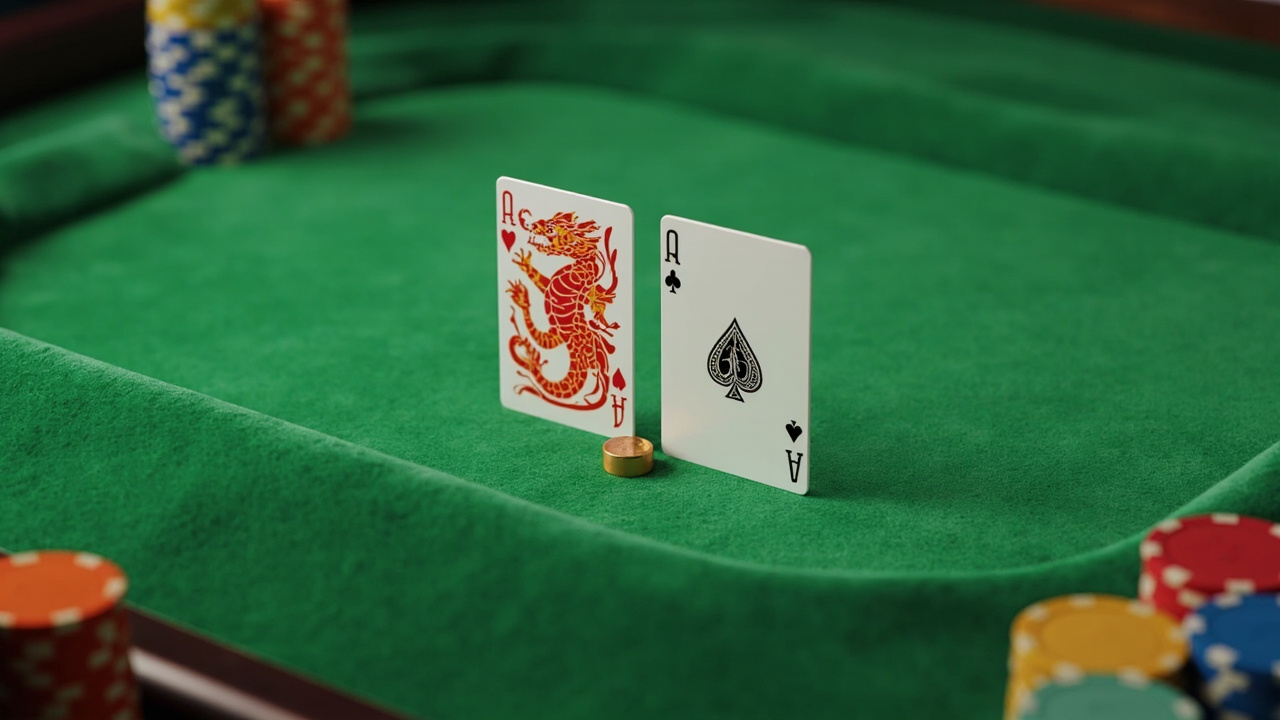

A short checklist can keep the bet in its place:
- Check the deck count and table rules before you place any tie stake
- Decide the side wager size as a small fraction of your session bank
- Treat the 8 to 1 payout as an occasional reward, not a timetable
- Keep the main Dragon or Tiger line as the primary action if that is your aim
- Step away from the tie bet if the session is no longer matching the reason you started it
That is not a system for beating the table, just a way to make sure the tie bet is doing what you want it to do.
The Dragon Tiger Tie Bet is a real option for players who understand that it is built around rarity and a larger payout rather than frequent action, and it works best when you treat it as a deliberate side choice inside a session you already understand. For an Australian player looking at a live table on a quiet evening, the bet can add a bit of texture, but only if the deck count, payout and your own stake size are all clear before the first card lands.