

When you walk into a club or casino across Australia, the first thing that hits you is the noise and the lights, but the mechanics behind pokies machines Australia explained in plain terms are simpler than the marketing suggests. These machines run on regulated random number generators, and every spin is independent of the last, which matters more than most punters realise on a busy Friday arvo. Understanding how payouts, bet levels, and return-to-player figures work can save you from chasing losses you do not need to chase. If you are after a clear breakdown before you drop coins or tap a screen, this guide walks through what the floor actually shows you.
How the Machine Reads Your Bet
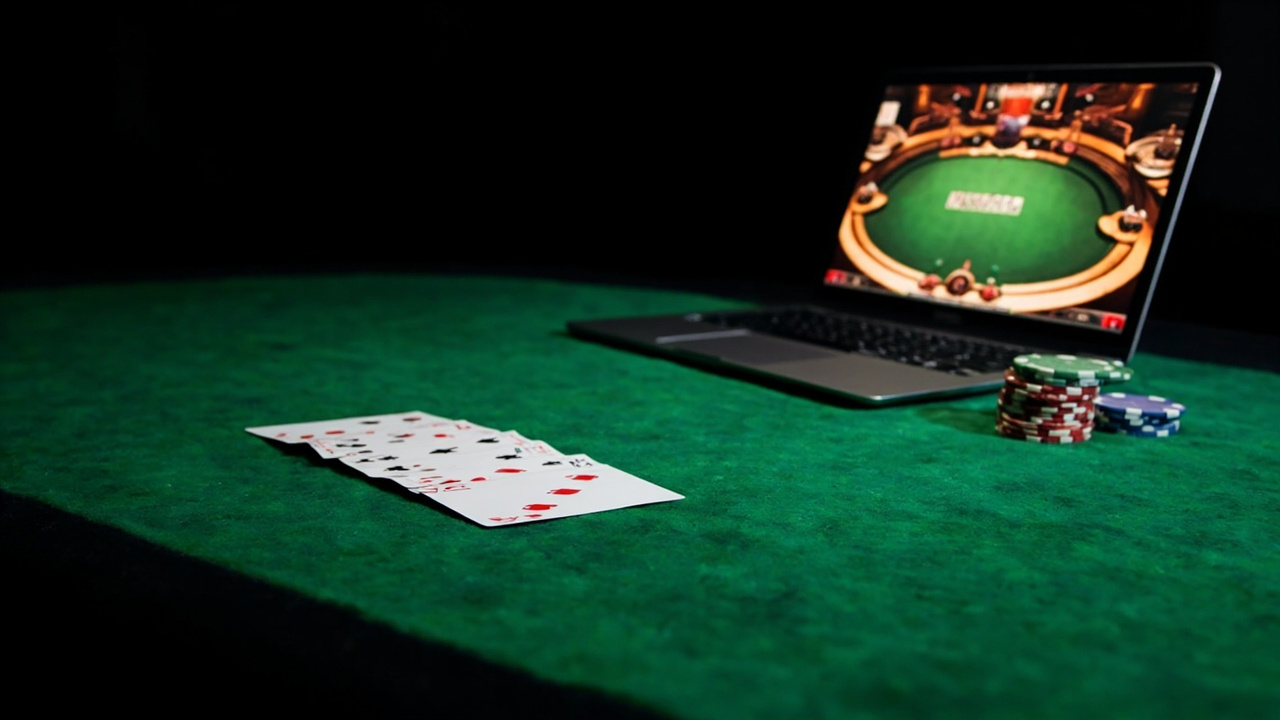
A pokie is not a slot machine in the old mechanical sense; it is a computerised terminal that accepts a wager, spins a virtual reel set, and resolves the result against a paytable before showing you the screen outcome. The Australian format varies by state, but the fundamentals stay consistent: you pick a line or way structure, set a coin value or bet multiplier, and the machine calculates the total stake per spin. Modern cabinets display a return-to-player percentage in the help menu, though the figure is an aggregate over millions of spins, not a promise for your session. That distinction is the one most beginners miss, and it is why treating a run of dry spins as a signal to increase stakes usually costs more than it recovers. We have seen the same pattern in equity capital markets, where a model that looks smooth on a back-test can still throw a nasty surprise once live volume hits; pokies behave the same way once you are sitting in front of them.
The screen layout is built to keep you oriented, with a bet adjuster, a spin button, a credit display, and a paytable tucked behind a help icon. Some machines let you lock a bet and auto-spin, which is convenient when you are watching a string of games, but the convenience is also what makes a session run longer than you planned. If you are playing in a Brisbane club, you will usually find the older style cash acceptors alongside newer ticket-in, ticket-out units, and both feed the same underlying logic. The difference is mostly about how quickly you can reload credits, not about how the results are generated. A good thing to remember here is that a horse expected to win easily still does not guarantee your day, and the same applies to any single machine you sit down at.
What the Display Tells You Before You Spin
The help screen is the part most players skip, yet it is where the machine tells you what it actually offers. You will usually find the paytable, the line or way count, the maximum bet, the minimum bet, and sometimes a volatility note that describes how often smaller wins land versus larger, less frequent hits. None of that is a forecast for your next ten minutes, but it does tell you whether a machine suits a cautious stake or a more aggressive one. When we model growth for professional-services clients, we look for the leading indicators that actually move the needle, and the same discipline applies here: the paytable and bet range are the indicators that matter, not the flashing symbols. A responsible approach means reading those details first, then matching them to the bankroll you are willing to put aside for the session.
Feature rounds differ by title, but most commonly you will see free spins, expanding symbols, or a pick-me bonus that awards extra spins or multipliers. The trigger is usually a scatter symbol that pays regardless of position, and the number of free spins or the multiplier cap is defined in the paytable you can pull up at any time. If you are new to this, the easiest way to avoid confusion is to treat the feature as a separate phase with its own rules rather than as a second chance at the base game. Isla Mitchell, Customer Experience Lead, Gold Coast Gaming Network, puts it plainly: “The help menu is where the machine tells you what it will and will not do, and reading it first saves a lot of misplaced expectations.” That is the kind of practical note that matters more than any story about a machine being due.
A Straight-Forward Walkthrough for Beginners
If you are sitting down at a pokie for the first time, the process is straightforward once you know the order of operations, and it helps to think of it as a short checklist rather than a mystery. The goal is to understand what you are pressing before you press it, so the session stays controlled and you are not guessing at what each button does.
- Check the denomination and the bet range on the screen before you insert cash or tap your card, because the minimum and maximum stakes vary from one cabinet to another.
- Choose your lines or ways, or leave the machine on its default setup if you want the simplest starting point, then set a coin value or bet multiplier that matches the stake you want per spin.
- Read the paytable through the help icon so you know which symbols pay, what triggers the feature, and whether the machine offers a buy-bonus option or any side bet.
- Set a session limit for time or credits before you start, and treat that limit as the boundary you do not cross to recover a losing run.
- Use the spin button or the auto-spin function with the same care, because convenience speeds up play and speeds up the rate at which your stake is spent.
- When you are done, collect your ticket or cash out through the screen, and keep the ticket or receipt with you if you plan to return later.
Chloe Graham, Responsible Gambling Adviser, Coral Coast Interactive, notes that the fastest way to lose track of a session is to let the machine’s pace set your rhythm instead of your own plan. That is why the checklist above starts with the display and ends with the cash-out, rather than the other way around. The same practical mindset shows up in our work at FinAi Group, where we built automation around repeatable processes rather than one-off tricks, and pokies are no different: a clear sequence beats guesswork every time. Finn Anderson, Customer Experience Lead, Southern Star Esports, also points out that beginners often confuse the excitement of a feature with a change in the underlying odds, which is why reading the paytable first is worth the minute it takes.
Where This Kind of Play Fits and Where It Does Not
Pokies suit players who want a self-contained, screen-based game with a clear stake per spin and a paytable they can check at any moment. They do not suit anyone looking for a way to turn a short session into a reliable income, because the result of each spin is independent and the aggregate return is spread across a very large number of plays. If you are comparing options, the useful question is not which cabinet looks busier or louder, but which one matches the stake range and the feature style you are comfortable with. For some players, that means a lower-denomination machine with frequent small returns and a simple paytable; for others, it means a higher-variance title with a feature that can stretch a session and needs a bankroll to match. Neither choice is inherently better, and the right fit depends on what you are actually trying to do with the time and money you have set aside.
Brisbane clubs and venues tend to stock a mix of local favourites and broader releases, so you will usually find both straightforward base-game machines and titles with more elaborate bonus structures on the same floor. That variety is useful if you like to move between styles, but it also means you should not assume two machines that look similar will behave the same way once you start spinning. The practical test is simple: read the paytable, set the stake, and decide in advance what a reasonable stop point looks like before the screen has a chance to pull your attention elsewhere. If you want to see how a no-deposit offer fits into that picture before you commit, you can check the details at https://goldenbetnodeposit.com/. The offer itself is only useful if it lines up with the same disciplined approach you would use on any other session, because the mechanics of the machine do not change just because the starting credit came from a promotion.

A good session is one where you understood the machine before you played it, you stuck to the stake and time you planned, and you walked away when you meant to. That is the part most of the noise around pokies machines Australia explained tends to miss, because the real question is not how the lights look from across the room but how well the machine matches the way you want to play. If you keep the paytable, the bet range, and your own limit in front of you, the rest is just the screen doing what it is designed to do.